Condenser Mics: The Capsule Specs That Capture The Truth
Updated 2026-08-30 · By the SpecRiot Editors
A condenser microphone uses a charged diaphragm to capture the fastest, most detailed transients in audio, which makes it the default choice for studio vocals and acoustic instruments. What you are buying is frequency response and self-noise, not a brand sticker. Cardioid polar pattern. Self-noise rating. Frequency response curve. Maximum SPL. Here is what separates the mics that make voices feel three-dimensional from the ones that make everything sound like a phone call. As one voiceover coach put it: "A condenser does not just record your voice. It introduces your voice to the room, and the room talks back."
As an Amazon Associate, I earn from qualifying purchases. SpecRiot is reader-supported. No paid placements. No press samples. No manufacturer relationships.Full disclosure.
What Actually Matters When You Compare Condenser Mics
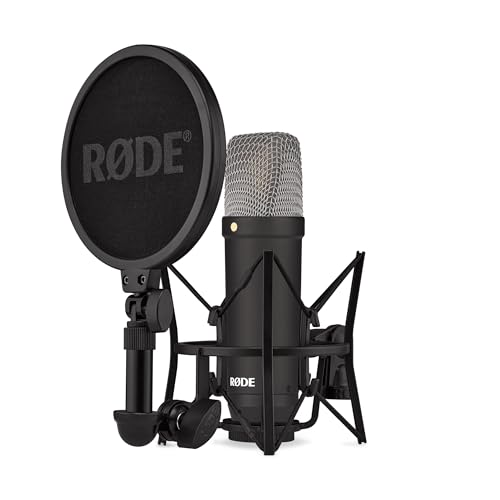
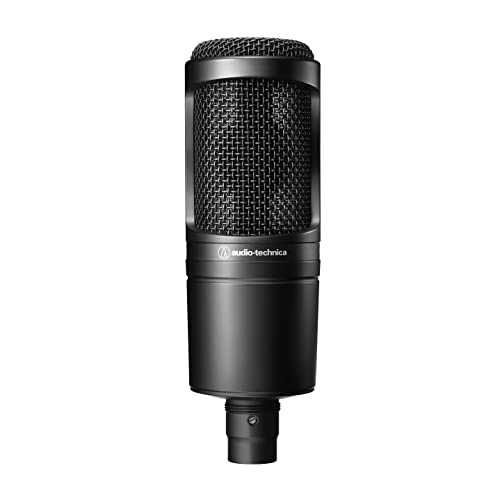
Self-noise:Self-noise is the hiss the mic itself adds, measured in dB-A. The Rode NT1 sits at 4.5dB-A, the quietest in its class. The AT2020 manages 12dB-A. Quieter self-noise means cleaner quiet passages, full stop.
Frequency response: A flat response with a gentle presence lift around 8-12kHz flatters vocals without harshness. The NT1 is nearly ruler-flat from 20Hz to 20kHz. The AT2020 adds a subtle high-frequency lift. The curve is the mic's personality. Flat is honest.
Polar pattern and pickup:Cardioid pickup rejects sound from the rear, which kills room echo and background noise. For untreated rooms, cardioid is non-negotiable. A figure-8 or omni pattern in a bad room is a recording of the room.
Accessories and practicality: A shock mount isolates the capsule from desk and footstep vibration. A pop filter stops plosives before they clip the preamp. The NT1 and AT2020 ship with shock mounts. Cheap mounts turn every truck driving past into a percussion section.
Condenser Mics: Compared By Published Specs
Best Overall
★★★★★ 9/10
Rode NT1
Rode NT1 (cardioid, 4.5dB-A self-noise, shock mount + pop filter included)
Capsule
1-inch gold-sputtered condenser
Polar pattern
Cardioid
Self-noise
4.5dB-A
Frequency response
20Hz-20kHz
Max SPL
132dB SPL
Included
Shock mount, pop filter, XLR cable
Construction
All-metal body
Price
Under $150
What Works
Class-leading 4.5dB-A self-noise
Ruler-flat response takes EQ well
Complete kit in the box
Built for a lifetime of studio use
The Catch
Needs 48V phantom power from an interface
Neutral sound rewards a treated room
No USB option on the Signature version
The Bottom Line: The Rode NT1 is the quietest, most honest condenser in its price class, and the kit makes it the easiest premium buy on this list. 4.5dB-A self-noise means you hear the room, not the hiss. As one studio owner put it: "The NT1 does not add a sound. It subtracts every reason you blamed your old mic."
The Bottom Line: The AT2020 is the most recorded budget condenser in history, and it earned that. It is neutral, durable, and forgiving at high SPL. It will not flatter a bad voice. It will never embarrass a good one.
The Bottom Line: The FIFINE T669 is the "better than your laptop" mic that actually delivers. For podcasts, meetings, and first videos, it is the smartest under-$40 in audio. It is not an NT1. It costs a quarter as much and knows its place.
Condensers capture detail and brightness, ideal for vocals and acoustic instruments in quiet rooms. Dynamics reject noise and handle loud sources, better for live sound and untreated rooms. For home studio vocals, a condenser wins. For a noisy room, the dynamic is the survival pick.
Do I need phantom power for a condenser mic?
Most condenser mics need +48V phantom power from an interface or mixer. USB condensers like the FIFINE T669 get power from the USB port. Plug a condenser into an interface with phantom off and you get silence, not damage.
Why does my condenser mic pick up so much room echo?
Condensers are sensitive, so they capture reflections. Fix it with a cardioid pattern, closer mic placement, soft furnishings, or an isolation shield. Positioning is free. Acoustic treatment is cheap. Both beat a noise gate.